Journal Publication Pro Empowering Scholars to Publish with Precision

Journal Publication Pro

Empowering Scholars to Publish with Precision

Latest Articles

Signing Away More Than You Think: A Researcher's Guide to Copyright Across Journal Publishing Models
Publishing Trends

Signing Away More Than You Think: A Researcher's Guide to Copyright Across Journal Publishing Models

When researchers submit a manuscript for publication, they are doing far more than sharing their findings — they are entering a legal agreement that may govern how their work can be used for decades. Understanding the copyright implications of subscription, hybrid, and open-access journals is no longer optional for scholars who want to protect and maximize their intellectual contributions.


Sign Before You Write: The Case for Formal Coauthor Agreements in Academic Research
Research Integrity

Sign Before You Write: The Case for Formal Coauthor Agreements in Academic Research

Collaborative research thrives on trust, but trust alone has ended careers and severed professional relationships when authorship disputes arise without documentation. A formal coauthor agreement, established before the first sentence of a manuscript is drafted, provides researchers with a structured framework for defining roles, responsibilities, and conflict resolution pathways. This article examines where informal arrangements go wrong and how written agreements protect both the science and t

Anatomy of a Trap: Recognizing the Sophisticated Deception Tactics Predatory Journals Use to Recruit Scholars
Research Integrity

Anatomy of a Trap: Recognizing the Sophisticated Deception Tactics Predatory Journals Use to Recruit Scholars

Predatory publishers have grown far more sophisticated in their outreach, crafting solicitation emails that closely mimic legitimate journal correspondence. Understanding the specific psychological and technical manipulation strategies they deploy is now an essential skill for every US researcher. This guide dissects the predatory publisher playbook in detail, equipping scholars with the knowledge to identify warning signs before engagement.

The Hidden Invoice: What Researchers Forget to Budget When Planning a Publication Strategy
Publishing Trends

The Hidden Invoice: What Researchers Forget to Budget When Planning a Publication Strategy

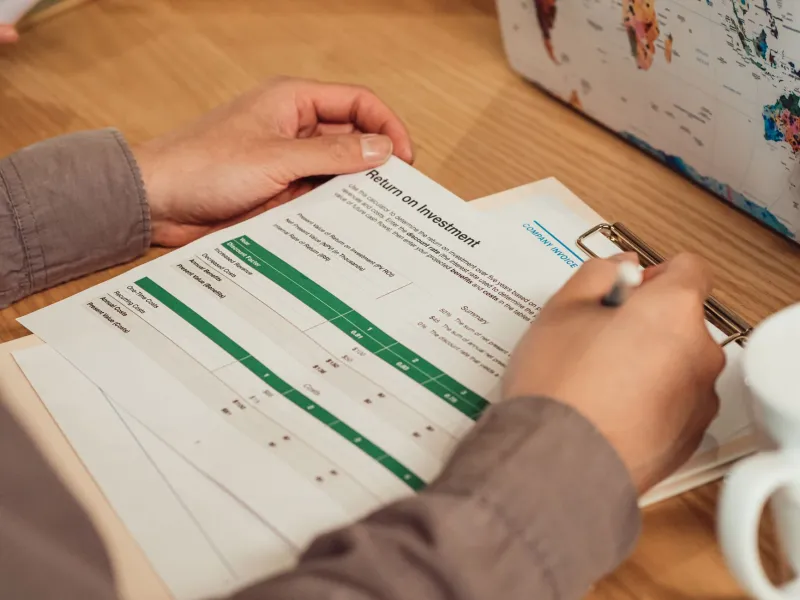
Securing grant funding is a milestone, but many US researchers discover too late that their awards don't stretch far enough to cover the full cost of getting their work into print. From article processing charges to professional copyediting, the financial demands of scholarly publishing can quietly undermine even well-funded research projects. Understanding these costs in advance—and planning for them strategically—can mean the difference between research that reaches its audience and research t

Command Your Publication Pipeline: How to Build a Scholar's Master Tracking System for Journal Submissions
Publishing Trends

Command Your Publication Pipeline: How to Build a Scholar's Master Tracking System for Journal Submissions

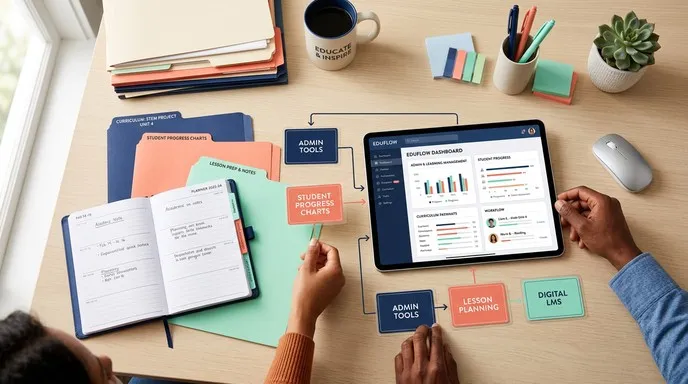
Managing multiple journal submissions without a structured system is a liability no serious researcher can afford. This guide walks through the precise architecture of a personal submission database—covering the metrics that matter, how to extract actionable intelligence from rejection patterns, and how to time your resubmissions for maximum strategic advantage.

Reproducibility Under the Microscope: What the Replication Crisis Means for Your Next Manuscript Submission
Research Integrity

Reproducibility Under the Microscope: What the Replication Crisis Means for Your Next Manuscript Submission

The replication crisis has moved from a disciplinary controversy to a field-wide reckoning, and journals across the sciences and social sciences are responding with requirements that many researchers are only beginning to understand. From preregistration mandates to raw data disclosure, the standards governing what constitutes a publishable study are shifting rapidly. Scholars who prepare their manuscripts with reproducibility at the center—not as an afterthought—will be far better positioned to

Before Your Name Goes on the Paper: A Scholar's Guide to Identifying and Resolving Authorship Irregularities
Research Integrity

Before Your Name Goes on the Paper: A Scholar's Guide to Identifying and Resolving Authorship Irregularities

Ghost authorship and gift authorship represent two of the most quietly tolerated ethical violations in academic publishing—yet both carry serious consequences when they surface after a paper goes public. This guide offers researchers a concrete framework for auditing contribution records before submission, identifying problematic patterns in collaborative work, and protecting their professional standing from disputes that too often end in retraction.

Buried Potential: Understanding Why Finished Research Stays Unsubmitted and What to Do About It
Publishing Trends

Buried Potential: Understanding Why Finished Research Stays Unsubmitted and What to Do About It

Across American universities and research institutions, a quiet crisis unfolds daily: completed manuscripts that never reach a journal's inbox. Understanding the psychological and structural forces behind submission avoidance is the first step toward building a publishing practice that transforms finished work into scholarly contributions.

When Polishing Becomes a Problem: The Hidden Cost of Over-Refining Your Manuscript Before Submission
Publishing Trends

When Polishing Becomes a Problem: The Hidden Cost of Over-Refining Your Manuscript Before Submission

Many scholars believe that a flawless manuscript is the surest path to acceptance, but editorial evidence suggests otherwise. Endless refinement can introduce hesitancy into your writing and delay submissions to the point of missed opportunity. Understanding where precision serves your work—and where it quietly undermines it—is one of the most underrated skills in academic publishing.

Invisible Architecture: How Citation Networks and Editorial Alliances Determine Which Research Gets Seen
Research Integrity

Invisible Architecture: How Citation Networks and Editorial Alliances Determine Which Research Gets Seen

Beneath the formal mechanisms of peer review lies a less examined infrastructure of journal partnerships, overlapping editorial boards, and citation ecosystems that quietly shape which research achieves visibility and which disappears into the archive. For US researchers navigating an increasingly competitive publishing landscape, understanding this invisible architecture is not optional—it is a strategic and ethical imperative.

Decoding the Editor's Desk: How to Interpret Revision Requests and Craft a Response That Moves Your Manuscript Forward
Publishing Trends

Decoding the Editor's Desk: How to Interpret Revision Requests and Craft a Response That Moves Your Manuscript Forward

A revise-and-resubmit decision is one of the most consequential—and frequently misread—communications a scholar will receive from a journal. The language editors use, the order in which reviewers' concerns are listed, and even the tone of a decision letter can signal very different outcomes depending on how a researcher responds. This article offers a systematic approach to interpreting editorial feedback and constructing a revision response that demonstrates both rigor and scholarly engagement.

Who Gets Credit? A Practical Guide to Authorship Agreements and Contribution Standards in Collaborative Research
Research Integrity

Who Gets Credit? A Practical Guide to Authorship Agreements and Contribution Standards in Collaborative Research

As multi-author research grows more common across American academic institutions, disputes over authorship credit have become one of the most consequential—and underaddressed—threats to scholarly integrity. Understanding how to establish transparent contribution agreements before a project begins can protect careers, preserve professional relationships, and ensure that published work accurately reflects who did what. This guide examines the frameworks, standards, and legal considerations every c

The Organized Scholar: A Step-by-Step Workflow for Managing Multiple Journal Submissions Without Losing Momentum
Publishing Trends

The Organized Scholar: A Step-by-Step Workflow for Managing Multiple Journal Submissions Without Losing Momentum

Submitting to multiple journals simultaneously—or sequentially across overlapping timelines—is one of the most demanding logistical challenges in academic life. Without a deliberate system, researchers risk missed deadlines, duplicated effort, and the kind of mental fatigue that stalls publication momentum entirely. This guide lays out a practical, repeatable framework for scholars who need to keep multiple manuscripts moving at once.

Open Data, Open Scrutiny: How the Push for Research Transparency Is Changing What Journals Expect From You
Research Integrity

Open Data, Open Scrutiny: How the Push for Research Transparency Is Changing What Journals Expect From You

Major journals across disciplines are tightening their standards around data sharing, code availability, and methodological disclosure—and researchers who aren't prepared risk rejection before peer review even begins. The reproducibility movement has shifted from a philosophical debate to a concrete submission requirement. Here is what US scholars need to know to stay ahead of these evolving expectations.

Turning Rejection Into Acceptance: A Scholar's Framework for Interpreting Peer Review and Revising With Purpose
Research Integrity

Turning Rejection Into Acceptance: A Scholar's Framework for Interpreting Peer Review and Revising With Purpose

Rejection from a scholarly journal is not the end of a manuscript's journey — it is frequently the beginning of its most important revision. Learning to read reviewer comments with analytical precision, distinguish between substantive critique and personal preference, and respond to editors with professional clarity can transform a dismissed submission into a published contribution. This guide provides researchers with a structured approach to navigating the peer review process after an unfavora

Beyond the H-Index: How Research Impact Metrics Are Reshaping Academic Careers and Funding in 2024
Publishing Trends

Beyond the H-Index: How Research Impact Metrics Are Reshaping Academic Careers and Funding in 2024

Citation counts, h-indexes, and altmetrics are no longer background statistics — they are active determinants of tenure decisions, grant approvals, and institutional prestige. Understanding how these measurements work, and how to leverage them ethically, has become an essential competency for every serious researcher in the United States. This guide breaks down the modern impact landscape and offers concrete strategies for elevating your scholarly visibility.

From Paywalls to Public Knowledge: How American Academia Is Rewriting the Rules of Scholarly Publishing
Publishing Trends

From Paywalls to Public Knowledge: How American Academia Is Rewriting the Rules of Scholarly Publishing

A profound transformation is underway across American universities and research institutions, as scholars and administrators alike question the sustainability of traditional journal subscription models. Open access publishing is no longer a fringe movement — it has become a strategic imperative for institutions seeking to maximize the reach and impact of their research investments. Understanding this shift is essential for any researcher navigating today's rapidly evolving academic publishing la

Is That Journal Legitimate? A Definitive Checklist Every US Scholar Needs Before Submitting Their Research
Research Integrity

Is That Journal Legitimate? A Definitive Checklist Every US Scholar Needs Before Submitting Their Research

Predatory journals represent one of the most serious and underacknowledged threats to scholarly credibility in the United States today, targeting researchers at every career stage with deceptive promises of rapid publication and broad dissemination. Falling victim to one of these operations can compromise years of careful research, damage professional reputations, and create complications that persist long after the initial mistake. This practical guide equips US scholars with the verification t